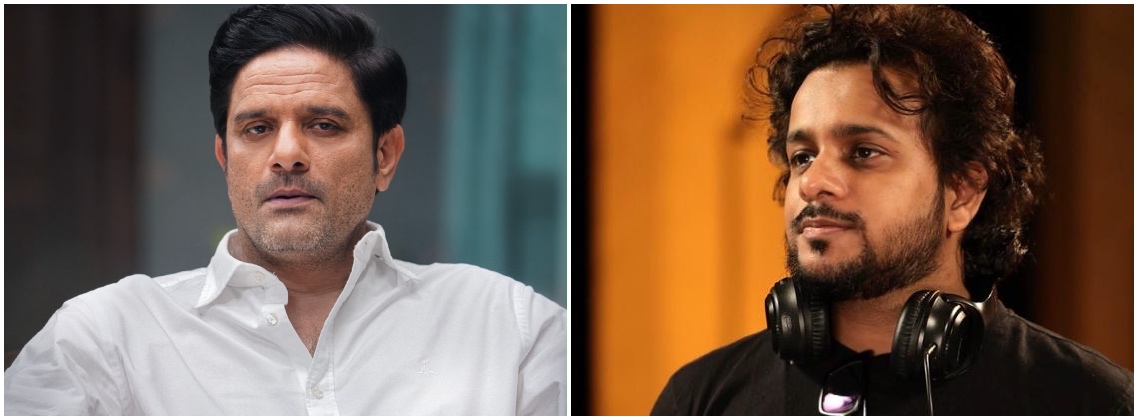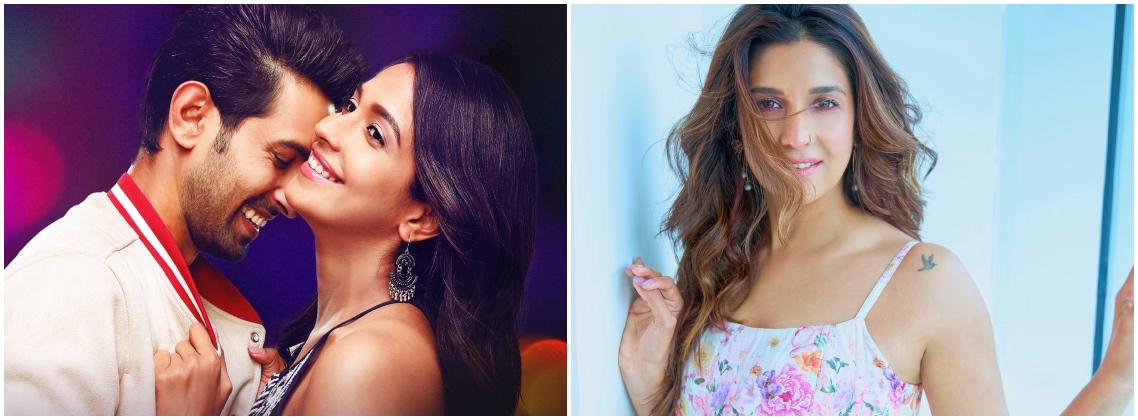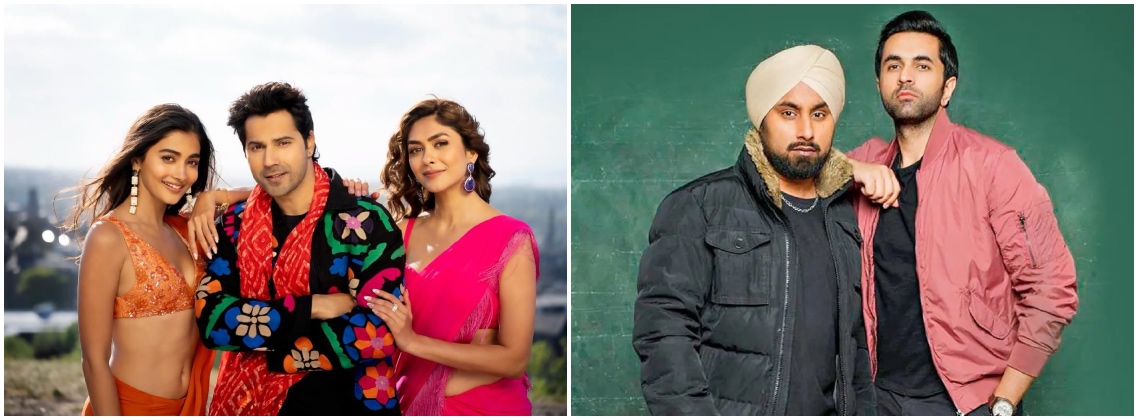
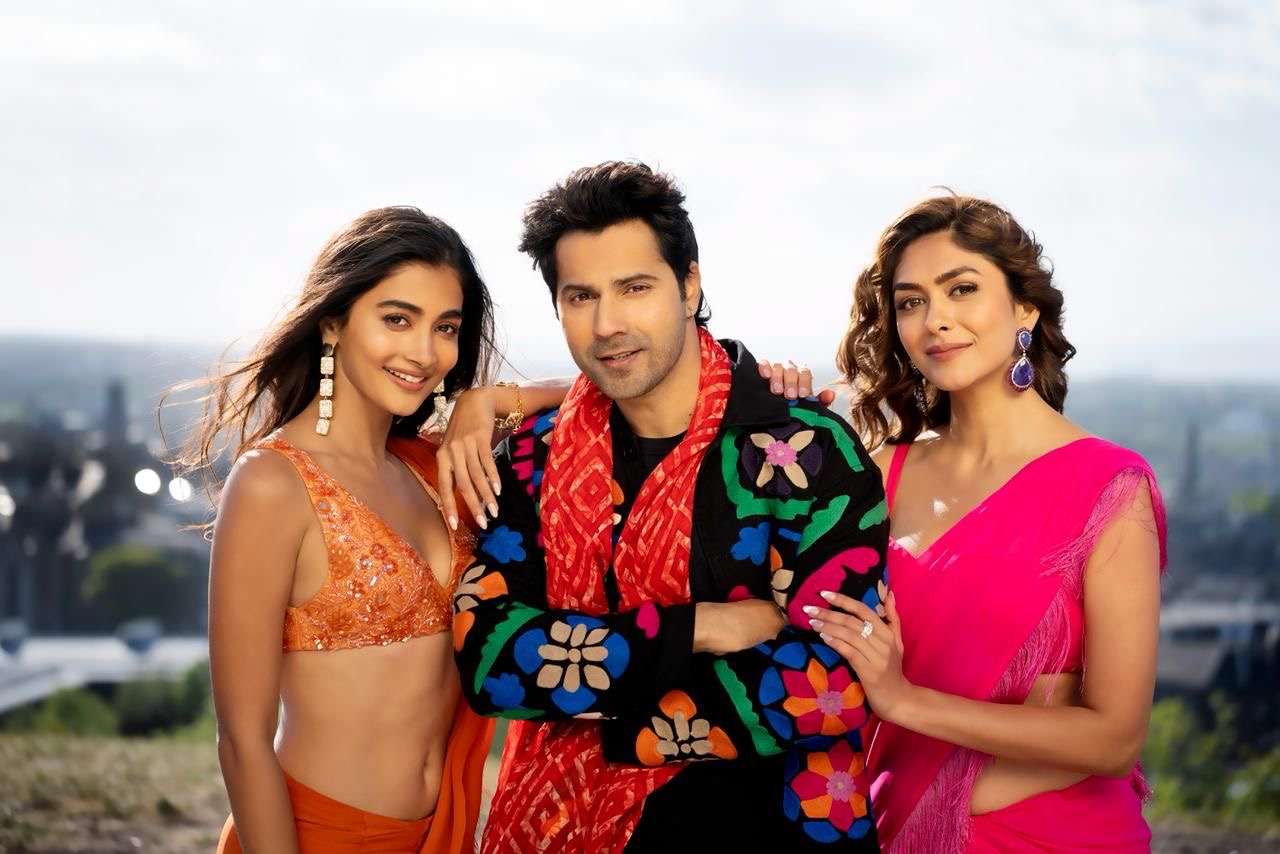
Recreating an iconic song is never easy, especially when it is a track as beloved as Chunari Chunari. The recently released Chunari Chunari – Let's Go from Hai Jawani Toh Ishq Hona Hai attempts to bring a contemporary flavour to the classic while preserving the nostalgia that made it a favourite across generations. In an exclusive conversation with PeepingMoon, composer duo IP Singh and Akshay Raheja opened up about the pressure of reimagining a cult song, their creative process, social media trends, and the importance of consent in modern storytelling.
We looked at it as an opportunity, not pressure
Speaking about recreating Chunari Chunari, the duo says the feeling was more exciting than intimidating, "We were genuinely very happy when this opportunity came to us. When you're reimagining a song of this scale, the idea is to make sure today's audience can connect with it while respecting the people who grew up listening to the original. We always focus on the process and enjoy creating. What the final reaction will be is never completely in our control."
Rather than worrying about comparisons, they saw it as a chance to introduce younger listeners to a different era of Bollywood music, "A lot of people already know and love these melodies, but there is also a large audience that may not have grown up with them. For us, it was an opportunity to expose them to the kind of music that existed before and show them how beautiful those melodies were."
In our studio, whoever wins the argument gets their way
Having worked together for years, disagreements are inevitable, but both composers insist that music always comes first, "There is a joke in our studio that whoever wins the argument gets their way," they laugh. While talking more seriously they said,"for any partnership to work, your vision has to align. We do disagree sometimes, but we both know that our personal point of view cannot be bigger than the music. The goal is always to solve the song and take it to a better place. Every decision is ultimately made keeping the music's best interest in mind."
David Dhawan's biggest brief: Don't lose the soul of the original
The duo reveals that filmmaker David Dhawan had one clear instruction while recreating the song, "Whenever you're recreating an iconic track, the biggest brief is to preserve the fragrance of the original. David sir was very clear that the nostalgia and memories associated with the song should not be lost." They explain that finding the right balance between nostalgia and contemporary production was the real challenge. "You have to bring the song into today's sonic space so younger audiences can enjoy it, but at the same time you can't let the originality get overshadowed by new elements. That balance is very important. The sound can be upgraded, but the soul has to remain intact."
We never make songs thinking about reels : IP Singh
In an era where songs are often judged by their social media performance, IP and Akshay insist that viral moments are never part of the songwriting process. Akshay said, "Every filmmaker we've worked with has given us creative freedom. Nobody tells us to make something specifically for reels. Our first job is to make a good song and serve the story." IP adds that marketing comes later, "Once a good song exists, marketing teams can identify moments they want to push. The truth is nobody knows what is guaranteed to work. So the first question is always: are we happy with what we've created? If the answer is yes, then you move on to marketing and promotion."
We met in Delhi almost 19 years ago: Akshay Raheja
The partnership between IP and Akshay goes back nearly two decades. Talking about the partnership they said, "We're both from Delhi. We met around 18 or 19 years ago during our college days. That's where the friendship started. Later, when we reconnected in Mumbai, the idea was simple,let's create something fresh and new together. We didn't overthink it. We just started making music."
Singing is my first love, but writing lyrics gives me a different high: IP Singh
As a singer, lyricist and composer, IP says every role brings something unique. "When I came to Mumbai, I came here to become a singer. Over time, I realised there were many other ways in which I could contribute creatively."
He believes writing and composing simultaneously often helps him understand a song's emotional core more deeply. "When you're creating a melody and also thinking about the words, it becomes easier to extract the emotion from the song. Singing will always be my first love, but over the last five or six years I've really fallen in love with lyric writing as well. There is a different kind of intoxication in writing. You take a few words, shape an emotion and suddenly create a feeling out of thin air. There's something magical about that process."
Our only non-negotiable is freshness: Akshay Raheja
Asked what defines their music, both composers arrive at the same answer.
Akshay said, "The one thing we never compromise on is freshness. Whatever we create should reflect our growth as artists. We don't want our music to sound dated. Every project should push us a little further. Sometimes a song doesn't need too many changes because the melody itself is strong, but our constant question is always: are we bringing something fresh to the table? And that’s how we are here"
Consent is one of the most important conversations today
Towards the end of the conversation, the duo spoke about incorporating the idea of consent into music and storytelling.
While talking about the consent part in the song “Chunari Chunari– Let's Go” they said, "It's extremely important. Perhaps in the past these conversations weren't taken seriously enough, but today it's something we need to discuss openly."
"Especially for young people growing up, it's important to understand that permission and consent are fundamental in any interaction or relationship. If music can entertain people while also encouraging healthier conversations, then that's a positive thing."