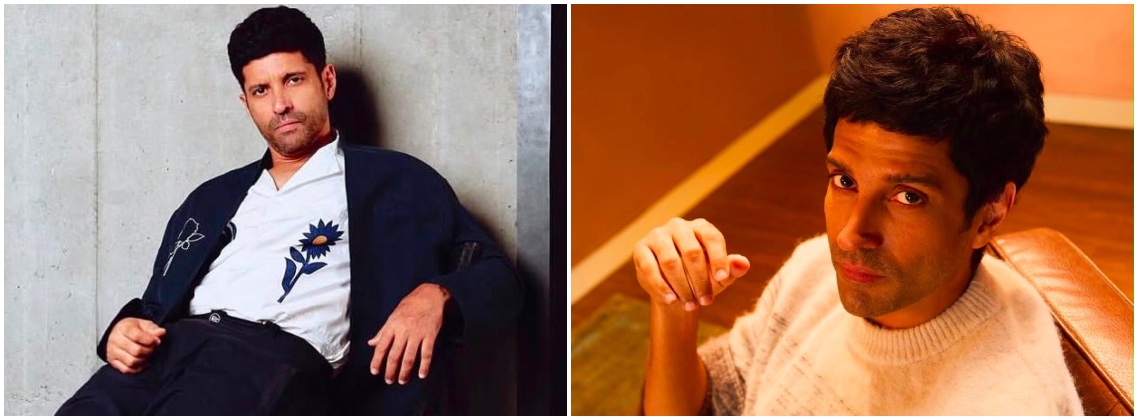
Farhan Akhtar believes Bollywood’s current fascination with larger-than-life alpha heroes may be nearing its peak, predicting that the industry will eventually move towards a new kind of storytelling. Speaking to The Indian Express as Dil Chahta Hai completes 25 years, Akhtar reflected on whether the pursuit of newness that defined his 2001 directorial debut has waned over the years. He believes the appetite for fresh storytelling remains, even as audience preferences continue to shift.
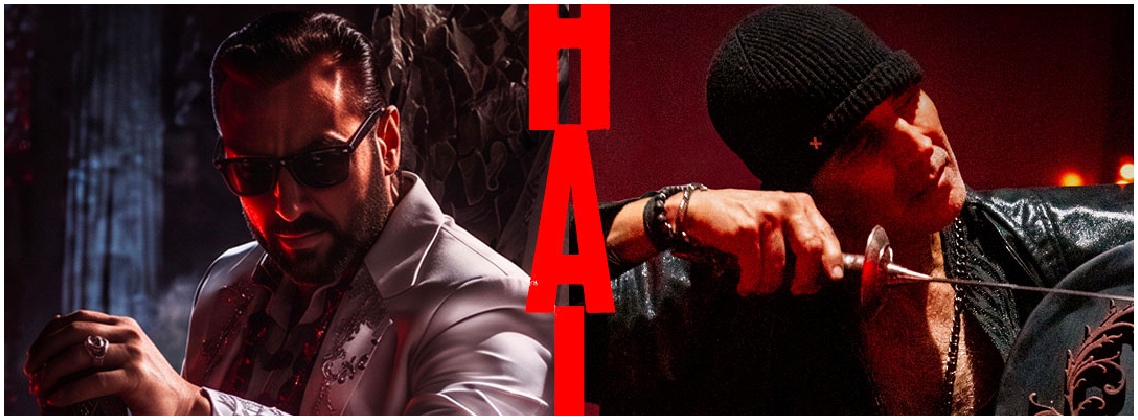
“We have enough films that tell stories differently. Superboys of Malegaon (2024) that Reema Kagti made, is a clutter-breaking film. But what the audiences want to watch also keeps evolving. These last couple of years, we are kind of in this phase of alpha heroes which, I think, is peaking now. Something will come along that will feel fresh,” Akhtar told The Indian Express.
For Akhtar, such shifts are part of the natural evolution of Hindi cinema. He recalled experiencing one himself when he watched Qayamat Se Qayamat Tak in 1988, a film he credits with bringing a new energy to movies aimed at younger audiences.
“In 1988, when I watched Qayamat Se Qayamat Tak, it felt like a fresh breeze. Before that, there were no films being made for a young, school-going crowd,” he said.
Akhtar also remembers the cinematic landscape of the 1980s as one that had moved away from that audience. “A lot of vulgarity had crept into films in the 80s, almost kind of weird sexploitation,” he said, pointing to the change that followed the success of Qayamat Se Qayamat Tak.
“After QSQT, movies like Maine Pyar Kiya (1989) and Dilwale Dulhaniya Le Jayenge (1995) followed,” he added.
His observation comes with particular relevance given the impact Dil Chahta Hai itself had when it released in 2001. The film, with its naturalistic conversations, three flawed protagonists and contemporary depiction of friendship and urban youth, broke away from the dominant Hindi film vocabulary of its time.
Twenty-five years later, Akhtar believes the same cycle will play out again. Trends may dominate for a period, but audiences will eventually look for something they have not seen before and, as he puts it, “Something will come along that will feel fresh.”