There are actors who speak of balancing films for the kitchen and films for the soul. Dia Mirza has quietly built a career choosing stories that come straight from the heart.
Every actor has that one film audiences instinctively associate with them. For Dia, it is Rehnaa Hai Terre Dil Mein. More than two decades later, new generations continue to discover the film, returning to its music, its romance and, at its centre, Dia’s luminous sincerity. Reena remains unforgettable because she was played without artifice. There was vulnerability, grace and emotional honesty in the performance—qualities that continue to resonate across generations.
But to define Dia Mirza’s career by that one performance is to miss the far more compelling story of the actor she has become.
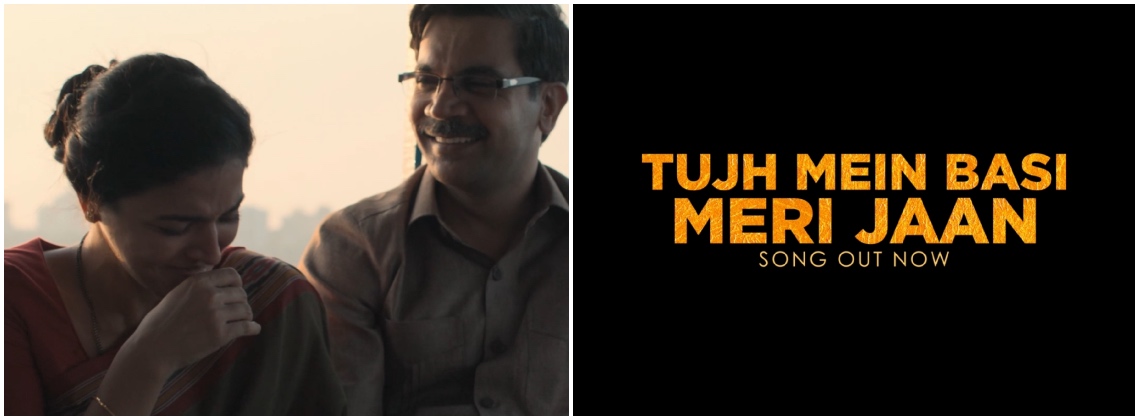
Look closely at her filmography and a pattern begins to emerge. Rather than chasing trends or accumulating credits, Dia has steadily gravitated towards stories with emotional and social consequence. Over time, the weight of the narrative has become more important than the size of the role. Released on 10 July 2026, IKKA is the latest chapter in that journey.
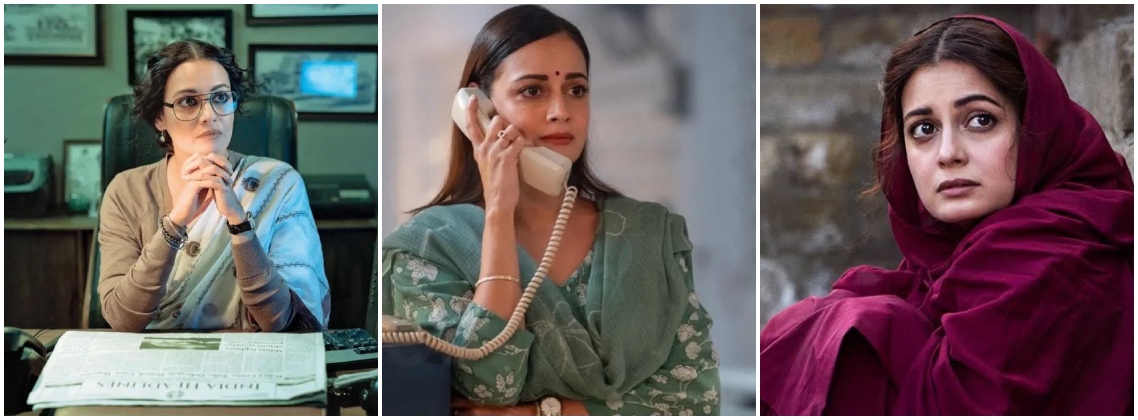
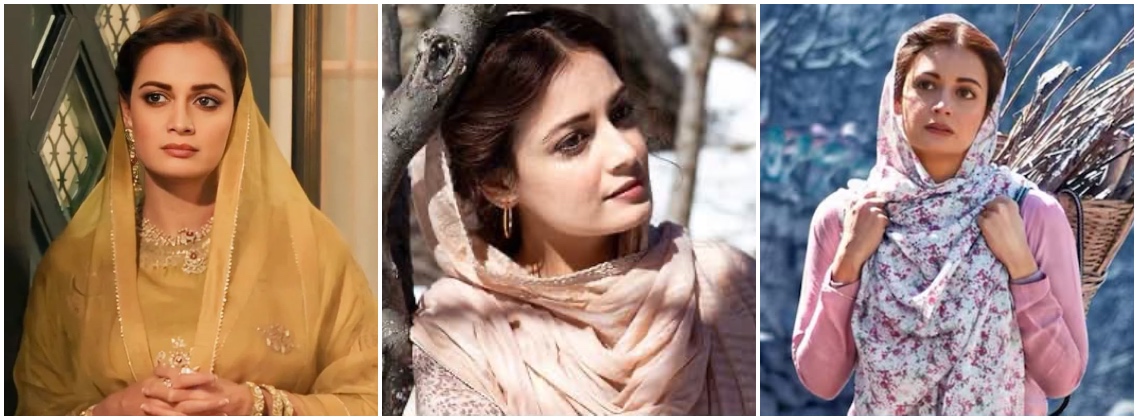
Across the years, Dia has consistently chosen narratives that linger long after the credits roll. In Kaafir, she inhabited the devastating reality of a woman imprisoned by borders and politics. In Bheed, she became part of a film confronting one of independent India’s most painful collective memories. In Thappad, she transformed what could easily have remained a supporting role into one of quiet empathy and unwavering strength, becoming an emotional anchor for the protagonist. In Made in Heaven, she portrayed a woman negotiating grief, dignity and self-worth with remarkable restraint, finding extraordinary depth in a character whose pain was often expressed through silence rather than dialogue. Dhak Dhak celebrated women reclaiming freedom, friendship and adventure at a stage in life that Hindi cinema has seldom explored.
These films may differ in genre and scale, but they are united by a shared intention: to tell stories about people with complexity, compassion and conviction.
What distinguishes Dia’s performances is their emotional texture. She approaches every character with an understanding that a life exists before the first frame and continues after the last. There is always the sense of an interior world—of memories, contradictions, disappointments and hope—that may not always be written into the screenplay but quietly lives within the performance.
Perhaps most impressively, she has repeatedly demonstrated the ability to create layered, memorable women even when the writing doesn’t fully centre them. In an industry where supporting roles for women are often functional rather than fully realised, Dia refuses to treat them as narrative devices. She searches for complexity where little may exist on the page, giving her characters histories, motivations and emotional lives that audiences instinctively recognise, even when they are never explicitly articulated.
It is one of the most understated challenges in acting. Bringing nuance to a richly written protagonist is one thing; bringing depth, dignity and emotional resonance to a character with limited screen time or an underwritten arc requires exceptional instinct and imagination. Time and again, Dia has shown an extraordinary ability to do exactly that.
That instinct also reflects her generosity as an actor. She has never approached a performance as an opportunity to dominate a scene or compete for attention. Her focus has always been on serving the story, enriching the emotional landscape of a film rather than simply her own character. It is a quiet confidence that has become one of her defining strengths.
Perhaps that is why her work has aged so gracefully. While Hindi cinema has transformed repeatedly over the last twenty-five years, the qualities Dia brings to every role—warmth, empathy, intelligence and restraint—have remained remarkably consistent. As audiences increasingly seek stories that feel authentic and emotionally grounded, those qualities have become more relevant than ever.
IKKA is another affirmation of that artistic journey. Not because it represents a reinvention, but because it continues a body of work shaped by thoughtful choices and deeply human performances.
Careers are often measured by numbers, awards or box-office success. Dia Mirza’s body of work invites us to look instead at the lives her characters have reflected, the conversations her films have inspired and the quiet, enduring impact of performances that never ask for attention, yet stay with us long after the screen fades to black.