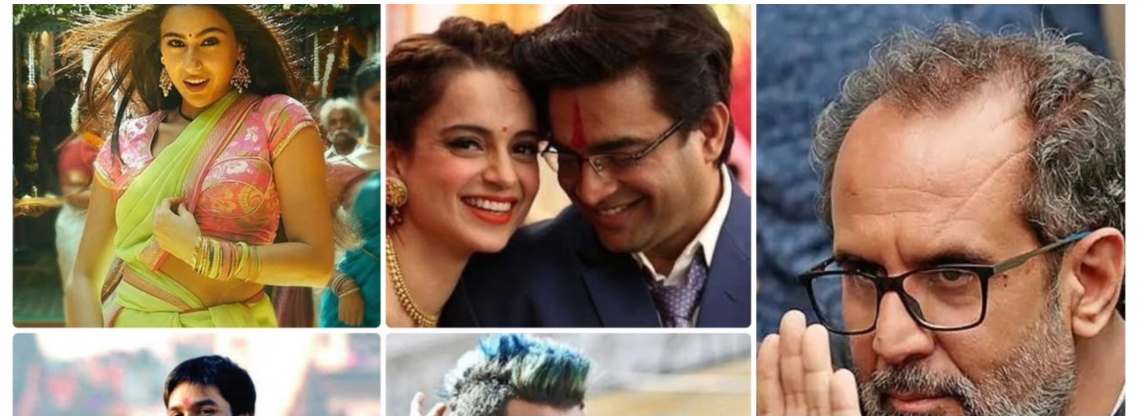
Aanand L Rai has always let his stories lead the way. And that’s probably why, all of his characters tell the absolute truth about human beings. And that truth looks nothing like the romance Indian cinema had been packaging for decades. No perfect unions, no destiny-approved matches, no heroines who exist purely to be chosen. Just contradictory, stubborn, impulsive individuals who love badly and completely, in ways that make you recognise something of yourself even when their choices make you wince. That specificity is what gradually and quietly turned him into the most essential voice in contemporary Hindi romance.
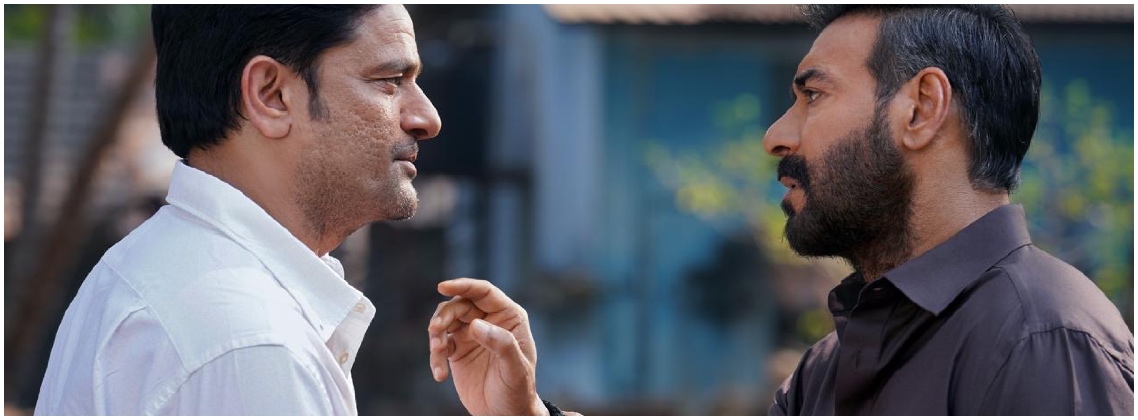
What separates his filmography from anything else working in this space is that no two films occupied the same emotional territory, or told the same story. The crowded lanes of Benaras in Raanjhanaa carried a completely different weight from the Kanpur shown in Tanu Weds Manu, which sat in an entirely different register from the fractured domesticity of Tanu Weds Manu Returns, which also bore no resemblance to the Punjab of Manmarziyaan. Different geographies, different textures, different varieties of heartbreak and yet, an unmistakable authorial stamp runs through all of them. Characters who do not fall in love because a screenplay demands it, but because they are too stubborn or too lost or too thoroughly themselves to do anything else. Tanu refused to shrink into the version of womanhood everyone around her pre-approved, Kundan confused his obsession with devotion and forced audiences to wrestle with both without the comfort of a clear verdict. Rinku moved through the world according to an internal compass that nobody around her could fully read. And Bauua Singh was entitled, insecure, carrying wounds he had never learned to name, but was honest enough to expose the isolation beneath all that bravado.
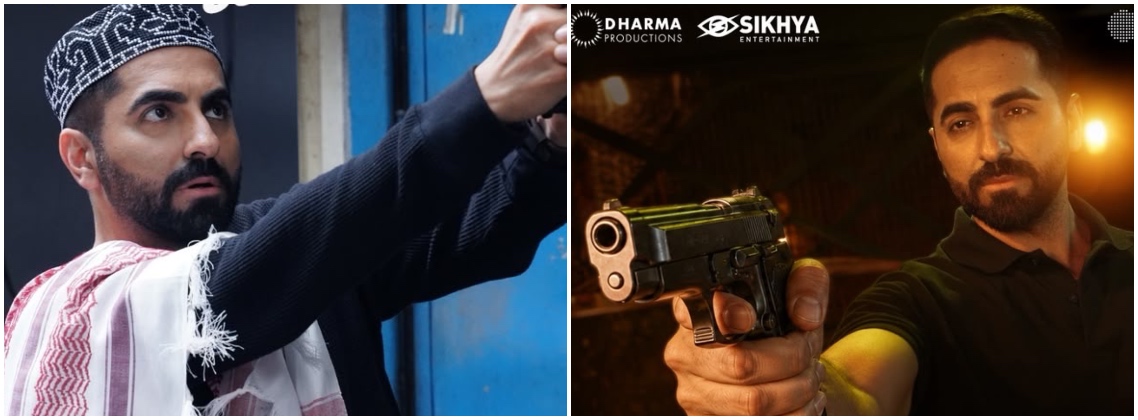
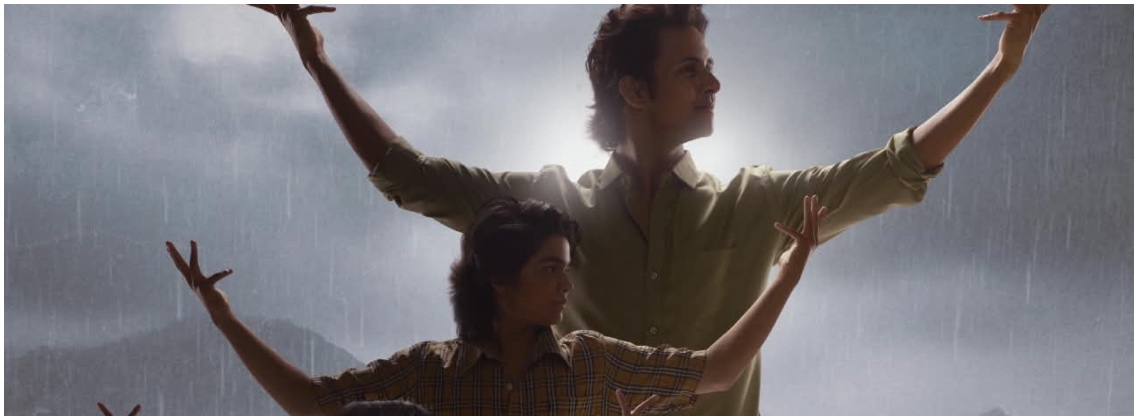
That same conviction has animated the projects Aanand L Rai has championed as a producer. Manmarziyaan gave Rumi, Vicky and Robbie the breathing room to be contradictory, confused but messily themselves. The Shubh Mangal Saavdhan franchise reframed the question of who gets to anchor a romantic narrative and then answered it more generously than mainstream cinema typically allows. Mukkabaaz buried something bruised and tender within a film about boxing and caste politics and discovered it fit there naturally. Across each project, one principle that has held firm in Aanand L Rai’s films is that a romance earns its emotional weight only when the individuals carrying it are irreducibly, uncomfortably real.
That is the standard Aanand L Rai has established, one film at a time, and it is why his work continues to resonate long after release cycles end. Romance in his universe survives not because it was destined to, but because his characters keep choosing it anyway. Quietly, stubbornly, imperfectly, which is how it works in real life too.