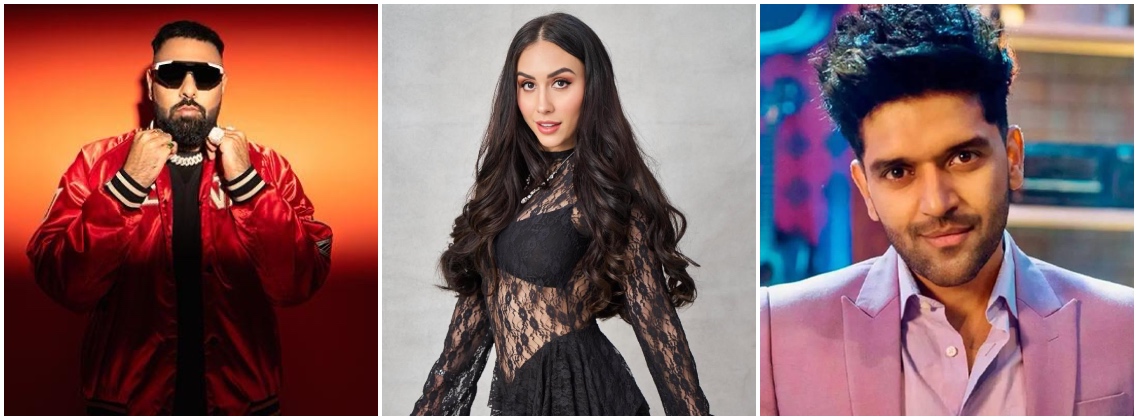
There is a specific kind of memory that belongs to an entire generation. It lives in the way your body remembered a step your brain had forgotten. It lives, unmistakably, in the decade between 2010 and 2020, when a handful of artists rewired what popular music in India looked like, sounded like, and most importantly, felt like. It is the story of six people, Honey Singh, Hardy Sandhu, Guru Randhawa, Lauren and Gottlieb who built the infrastructure of a cultural movement: the era of the hook step, the banger, and the beat that refused to let anyone stay seated. Before them, the idea of a "hook step" barely existed in popular culture. Before them, dancing to a song meant knowing the choreography from a film. These five names didn't just make hits, they built a new language of popular entertainment: one that was loud, joyful, inclusive, and impossible to stand still to.
Honey Singh- His debut album International Villager (2011) changed the game. Brown Rang became India's most-trending YouTube video in 2012 and announced the arrival of a new kind of star, unapologetically desi, multilingual, and larger than life. What followed was an unprecedented run of hits including Angreji Beat, Dope Shope, Goliyan, Chaar Botal Vodka, and Desi Kalakaar. His Bollywood collaborations, from Cocktail to Kick, brought rap and Punjabi music firmly into the mainstream, making Honey Singh the defining sound of a generation.
Badshah- If Punjabi pop needed a bridge between underground rap and mainstream entertainment, Badshah built it. Emerging from the independent music scene, he quickly established himself as one of India's most versatile hitmakers, equally comfortable behind the microphone, in the studio, or at the centre of a chart-topping music video. His breakthrough tracks DJ Waley Babu, Kar Gayi Chull, Mercy, Paagal, and Genda Phool became cultural moments, blending Punjabi influences with contemporary pop, hip-hop, and electronic sounds.
Hardy Sandhu – A former cricketer whose sporting career ended due to injury, Sandhu reinvented himself through music. His breakthrough came with Soch (2013), showcasing a voice of remarkable emotional depth. He followed it up with hits like Hornn Blow, Backbone, Kya Baat Ay, and Naah, proving he could balance melody, charisma, and mass appeal. His collaboration with Lauren Gottlieb, Dance Like, became a defining example of the era's obsession with dance-driven pop culture.
Guru Randhawa – Hailing from Punjab, he delivered one chart-topper after another with remarkable consistency. Patola, Lahore, High Rated Gabru, Made in India, and Suit Suit became cultural phenomena, dominating playlists, weddings, and dance floors alike. His blend of melodic Punjabi vocals and contemporary production helped redefine Indian pop and made him one of the most commercially successful artists of the decade.
Lauren Gottlieb – In an era defined by music you could move to, Lauren Gottlieb got a dance revolution in India. Discovered through So You Think You Can Dance, she entered Indian entertainment with ABCD: Any Body Can Dance (2013), where performances in songs like Bezubaan and Tattoo showcased dance as a central storytelling force. Through collaborations such as Hardy Sandhu's Dance Like and Badshah's Mercy, Lauren helped shape the hook-step culture that came to define modern music videos. Her performance of Naatu Naatu at the Academy Awards in 2023 completed a remarkable journey from Arizona to one of the world's biggest stages. She didn't just dance through the era, she helped define its visual identity.