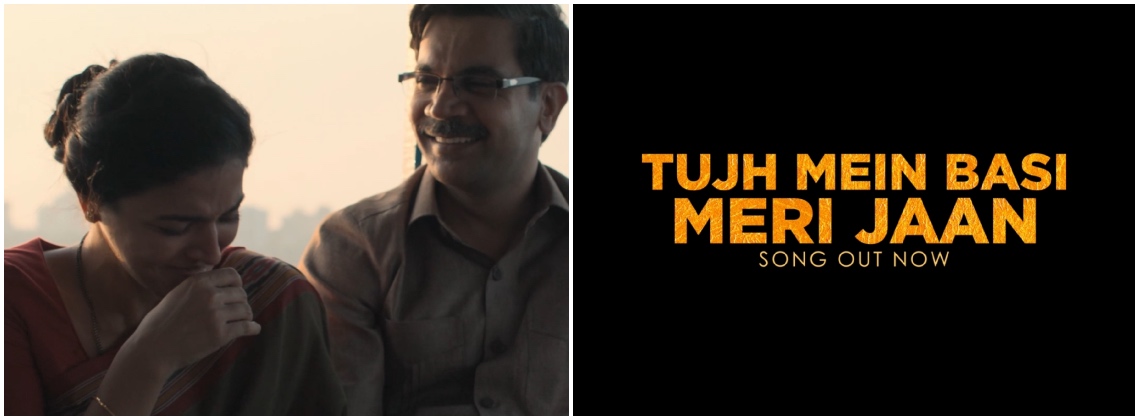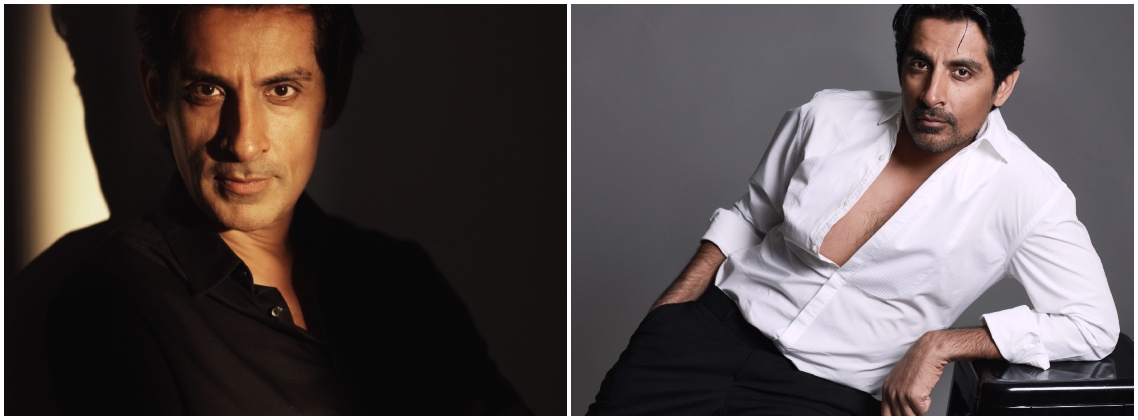
Raj Vasudeva, known for his work across independent and international cinema, has built a reputation for choosing emotionally driven stories. With Mercy, releasing on April 24, he takes on a sensitive subject rooted in love and difficult choices. In an exclusive interview with Peeping Moon, he speaks about approaching the role with honesty and empathy. the actor opened up about approaching the role with honesty, navigating its emotional layers, and much more…
Mercy touches upon a subject that is often considered delicate in India. How did you prepare yourself to portray such a role while keeping the emotions and sensitivities intact?
Firstly, I don’t think Mercy’s story is going to hurt anyone’s emotions or sentiments. The story is a pure story about love, family and mainly about the struggle Shekhar faces to make the decision to let go of a loved one. Portraying such a delicate subject in Mercy required honesty and respect. I spoke to families who had faced similar crossroads their stories helped me understand the quiet strength behind such painful choices. On set, I tried to simply be with the character to let their emotions surface naturally instead of pushing for drama so the grief felt real and the feelings stayed tender and honest.
As an actor, did you feel an added responsibility to bring empathy and depth to a topic that is usually spoken about in technical or formal terms?
Definitely. I felt a deep responsibility to show the heart behind a subject that’s often treated in very formal terms. For me, Mercy wasn’t about portraying an issue, it was about honouring the people who live through these choices every day. While playing this role, I kept thinking about how I would feel in that situation, the fear, the love, the doubt and I tried to let those feelings shape every moment. I want the audiences to sense that raw humanity, not just hear about a difficult topic.
Many believe that films like Mercy open conversations around themes society may hesitate to address. Do you view cinema as a medium to challenge perceptions, or primarily as a way to tell meaningful human stories?
For me, cinema starts with people and their stories. When I began working on Mercy, I wasn’t thinking about challenging society I was thinking about this one character and the love and pain inside their choice. But stories have a way of reaching further than we expect. My focus was to make the journey feel real, so audiences connect to the person, not just the topic.
Every bold narrative comes with its share of diverse reactions. How would you address concerns that Mercy might feel ahead of its time for certain audiences or regions?
I don’t see Mercy as ahead of its time. It’s about a deeply human experience that lots of people have faced, even if it’s not easy to talk about. Some audiences or regions might find the topic difficult, but that doesn’t make it “ahead of its time.” My hope is that the film creates space for honest conversations about not just love, loss, and the hard choices we make for the people we care about but also about what comes after, how the family copes, supports each other, and learns to move forward. I feel this is a universal story that deserves to be shared and discussed with audiences everywhere.
Your journey spans across Indian and international cinema. Does Mercy signify a new direction in the kind of stories you wish to be part of going forward?
Mercy reflects a direction that I am drawn to, stories that are intimate, emotional, and explore the depths of human emotion and the complexities. That said, I’m not partial to any one type of story. As an actor, I’d love to explore all genres and themes, as long as the characters and journeys feel real and compelling. I would also love to do a comedy, and play a character similar to that of Mr Bean.