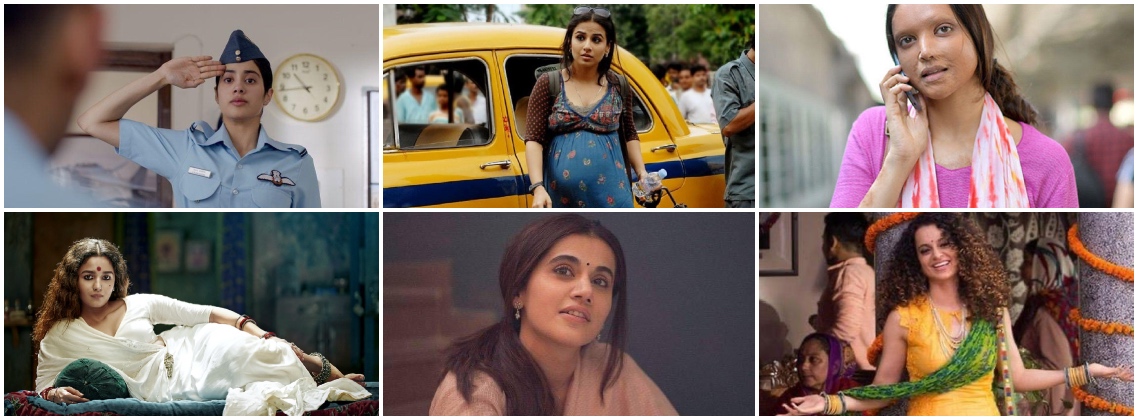
Indian cinema has undergone a remarkable shift over the past decade, particularly in the way women are portrayed on screen. The era where female characters existed largely on the sidelines is steadily giving way to stories where women lead the narrative with strength, complexity and individuality. Much of this transformation has been driven by actresses who have consistently chosen roles that challenge conventions and push storytelling forward.
Vidya Balan
One of the earliest and most influential figures in this shift has been Vidya Balan. With films like Kahaani, The Dirty Picture and Tumhari Sulu, she redefined what it meant to be a female protagonist in mainstream Hindi cinema. Her characters were unapologetically confident, layered and real, proving that audiences were ready to embrace women-led stories that stood strong on their own.
Alia Bhatt
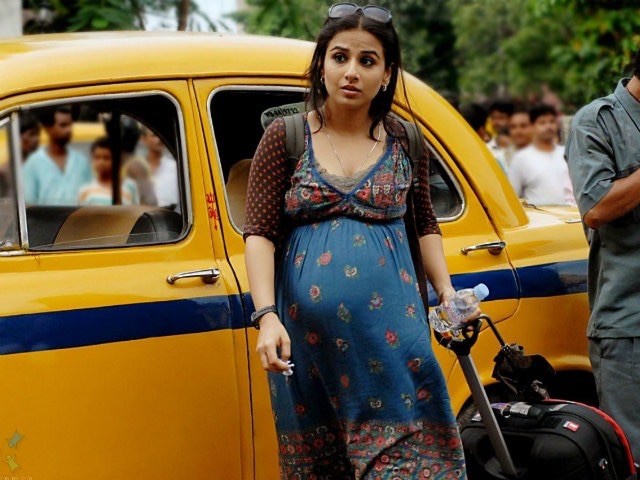
Actors like Alia Bhatt have taken this legacy forward with remarkable versatility. Her performances in films like Raazi and Gangubai Kathiawadi showcased emotional depth and intensity, while also demonstrating that actresses today can lead large-scale narratives without being confined to conventional roles.
Deepika Padukone
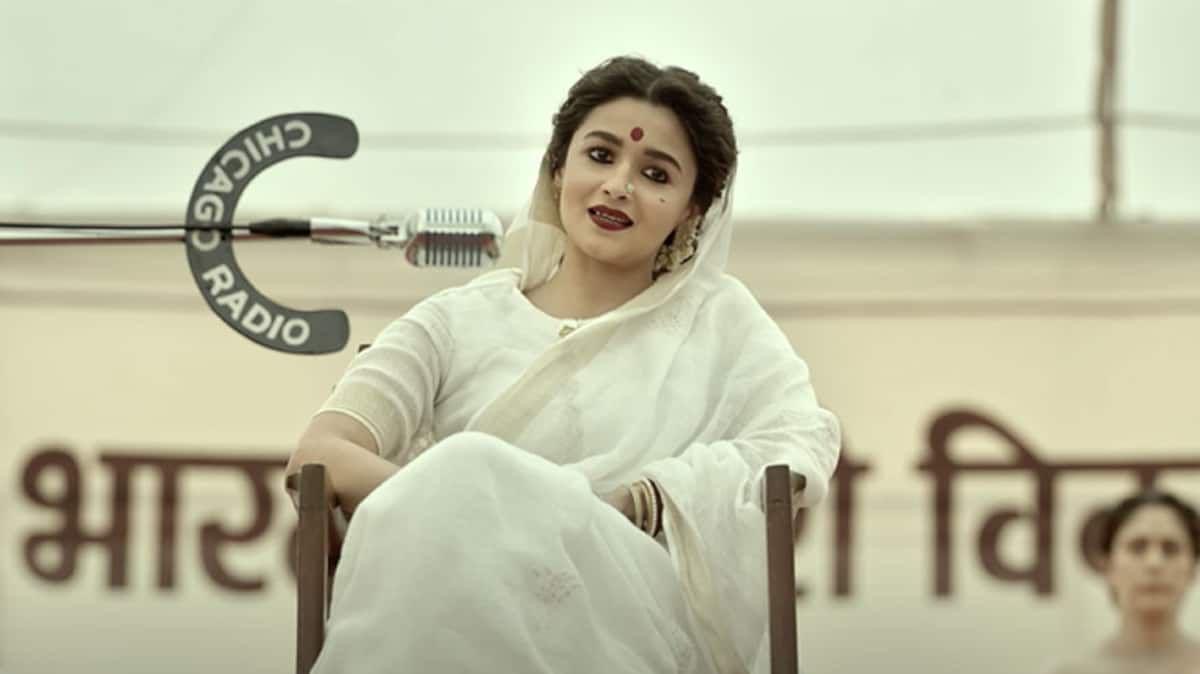
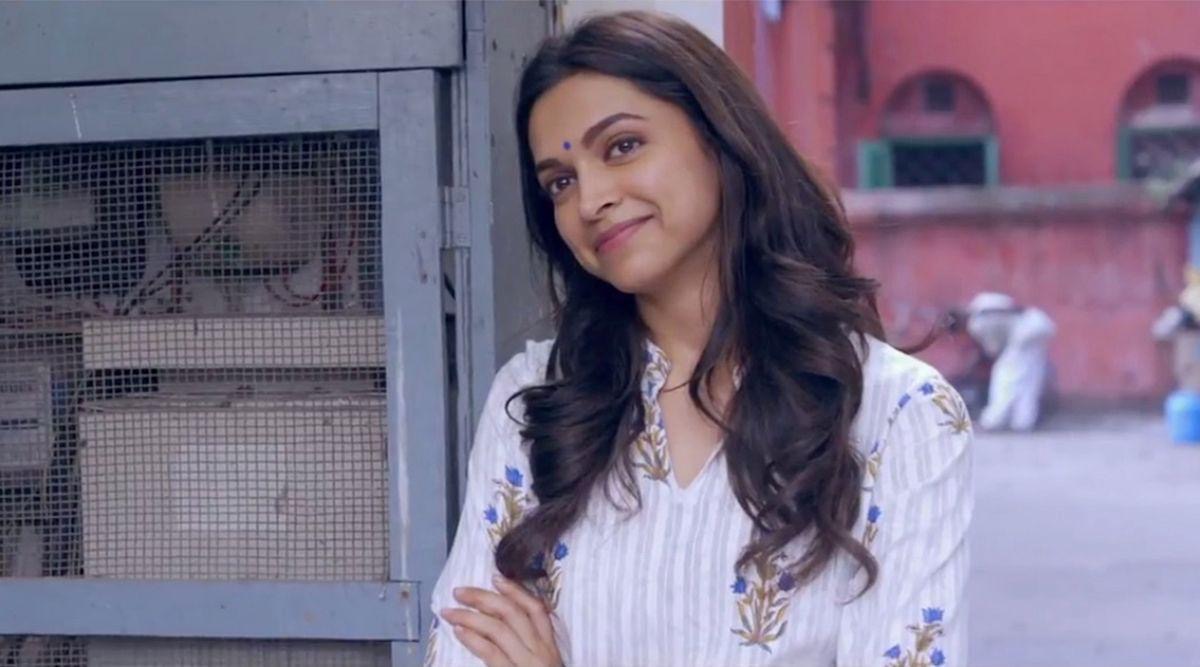
Similarly, Deepika Padukone has balanced mainstream success with powerful storytelling. Whether it was the warmth and relatability of Piku or the emotional gravitas of Chhapaak, her performances have often highlighted women who are both vulnerable and strong in equal measure.
Janhvi Kapoor
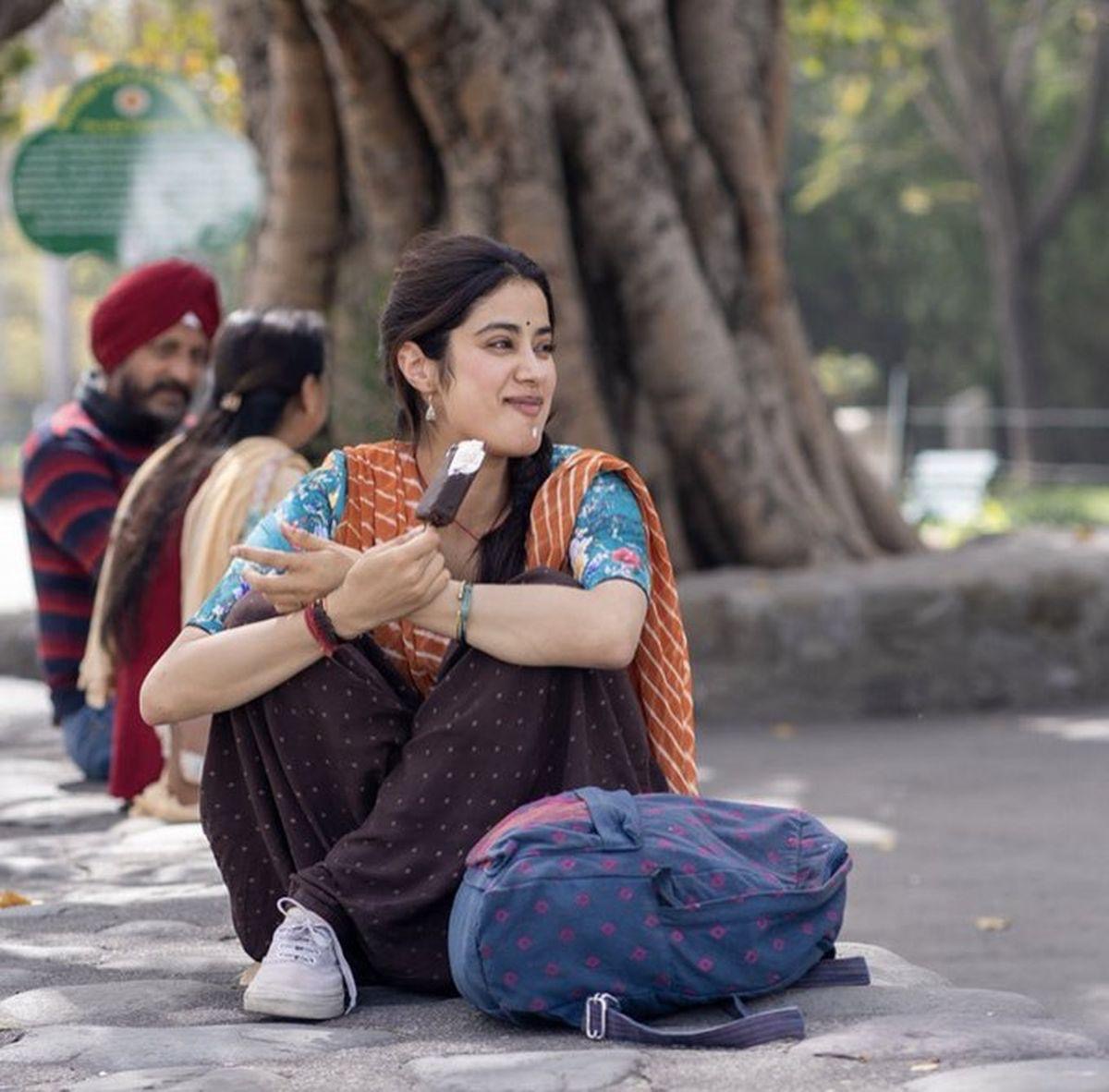
The younger generation is also contributing to this evolving cinematic landscape. Janhvi Kapoor has been steadily building a filmography that explores courage and resilience through films such as Gunjan Saxena: The Kargil Girl, Mili and Good Luck Jerry, portraying women navigating extraordinary circumstances.
Bhumi Pednekar
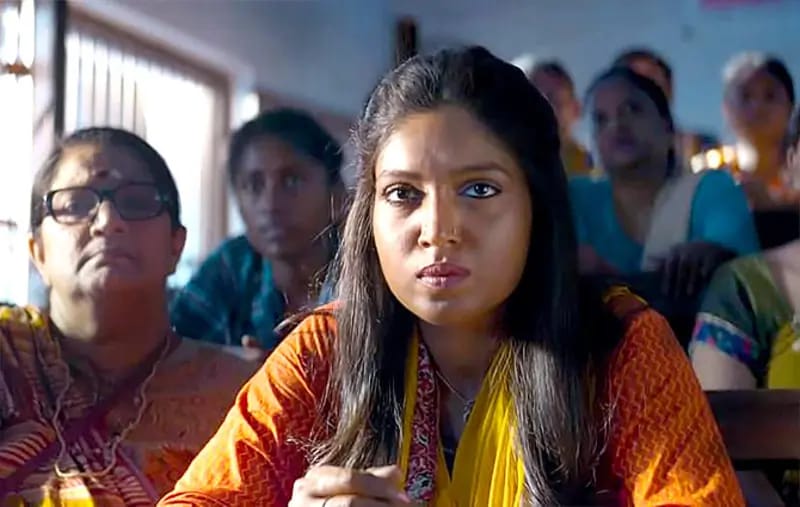
In Toilet: Ek Prem Katha, Bhumi Pednekar played Jaya, a newly married woman who refuses to accept the lack of sanitation facilities in her husband’s village. When she discovers there is no toilet in the house, she takes a stand for her dignity and leaves, challenging a deeply rooted social issue. Through Jaya’s determination, the film highlights the importance of sanitation, women’s safety, and basic human dignity, turning her character into a strong voice for change in rural India.
Taapsee Pannu
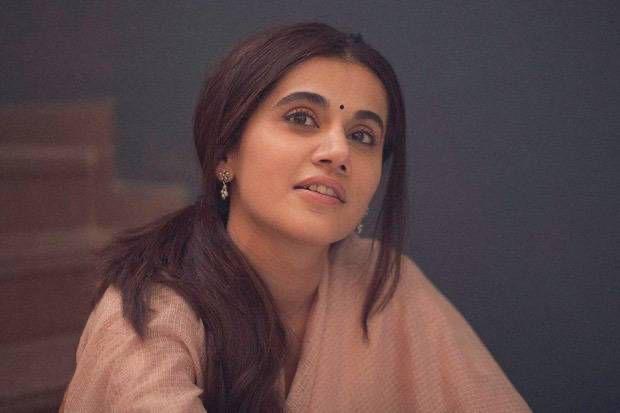
Meanwhile, Taapsee Pannu has emerged as one of the most consistent voices for socially driven cinema. Films like Pink, Thappad and Rashmi Rocket have addressed issues of gender equality, personal agency and justice, turning her performances into conversations that extend far beyond the screen
 .
.
Kangana Ranaut
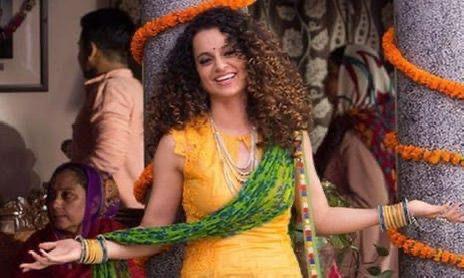
And then there is Kangana Ranaut, whose performance in Queen became a defining moment in modern Hindi cinema. The film resonated deeply with audiences and cemented her reputation for portraying women who are fearless, independent and unapologetically themselves. Her work in films like Tanu Weds Manu and Manikarnika: The Queen of Jhansi further reinforced that image.
Kriti Sanon
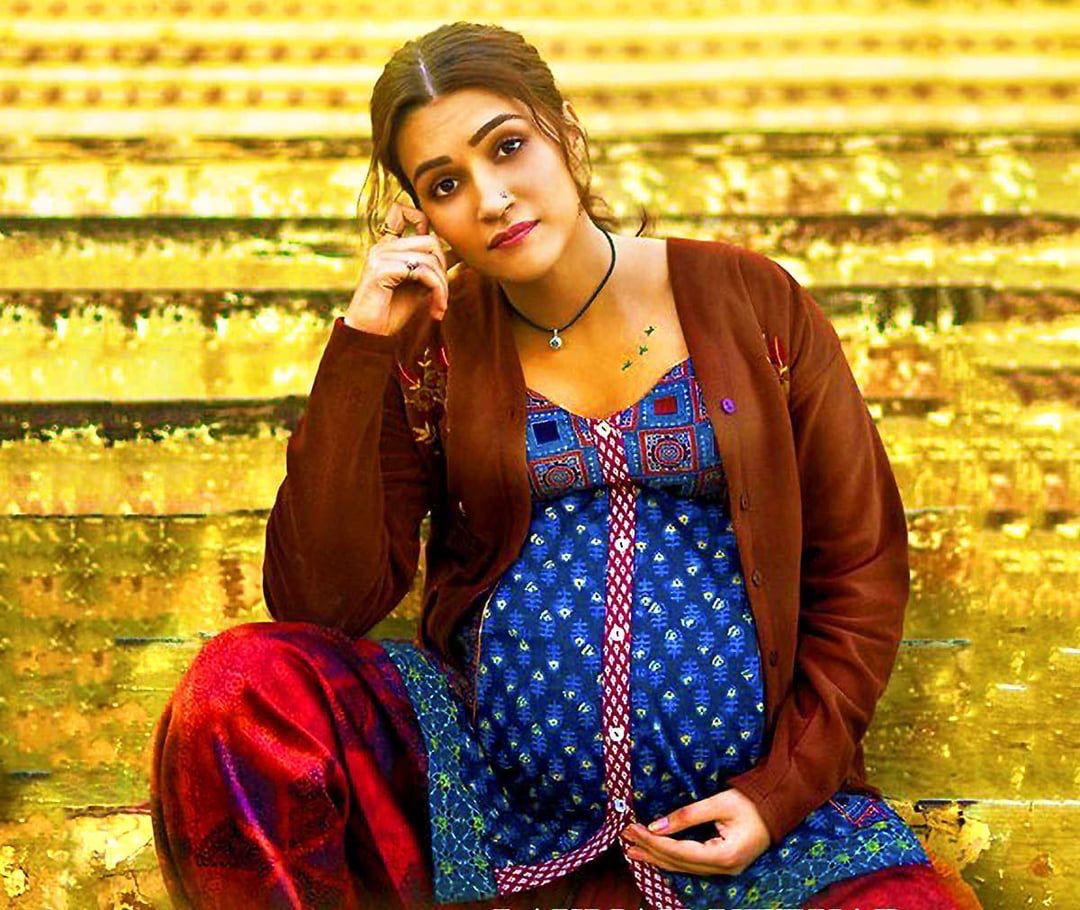
Actors like Kriti Sanon have also stepped into powerful narratives, choosing roles that place women at the heart of the story. In Mimi, she delivered one of the most acclaimed performances of her career, portraying a young woman navigating the emotional and societal complexities of surrogacy with remarkable sincerity.
Nushrratt Bharuccha
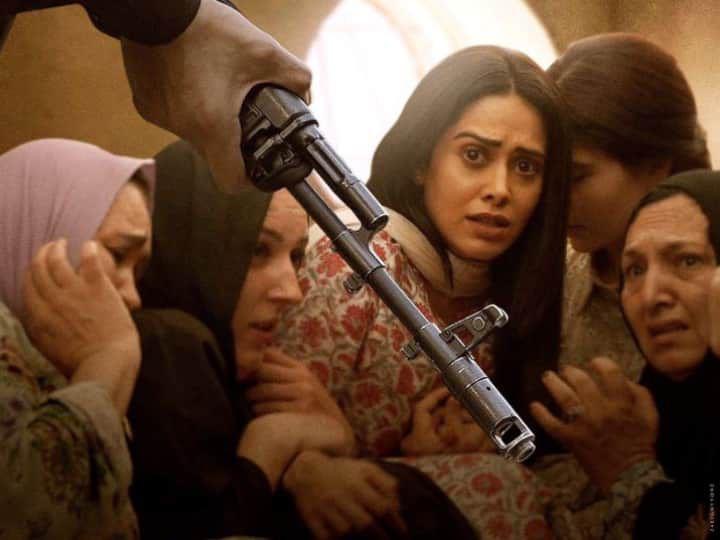
Actors like Nushrratt Bharuccha have also embraced narratives that place women at the center of intense and courageous journeys. In films like Akelli and the horror drama Chhorii — along with its sequel Chhorii 2 — she portrays women confronting fear, injustice and survival against overwhelming odds. These stories highlight resilience and determination, reinforcing the growing space for powerful female protagonists who drive the narrative with strength and conviction.
Sanya Malhotra
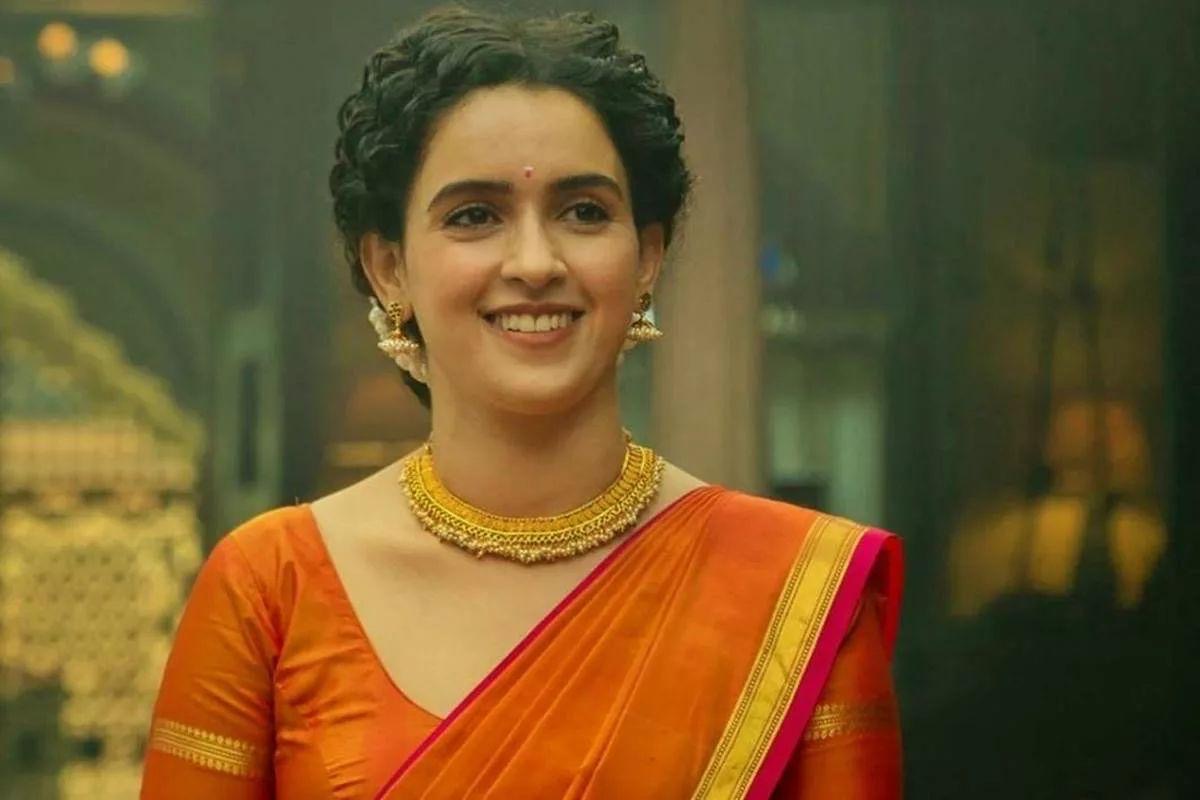
Another actor contributing significantly to this movement is Sanya Malhotra. With her performance in Mrs, she continues to explore layered characters that challenge societal expectations and highlight the inner strength of everyday women.
Together, these actresses represent a powerful shift in Indian cinema — one where women are no longer written as mere complements to the hero but as individuals with their own journeys, struggles and triumphs. As audiences continue to embrace these stories, the role of actresses in shaping the future of Indian cinema becomes even more significant. On International Women’s Day, their performances stand as a reminder that when women lead the narrative, cinema becomes richer, more authentic and far more reflective of the world we live in.