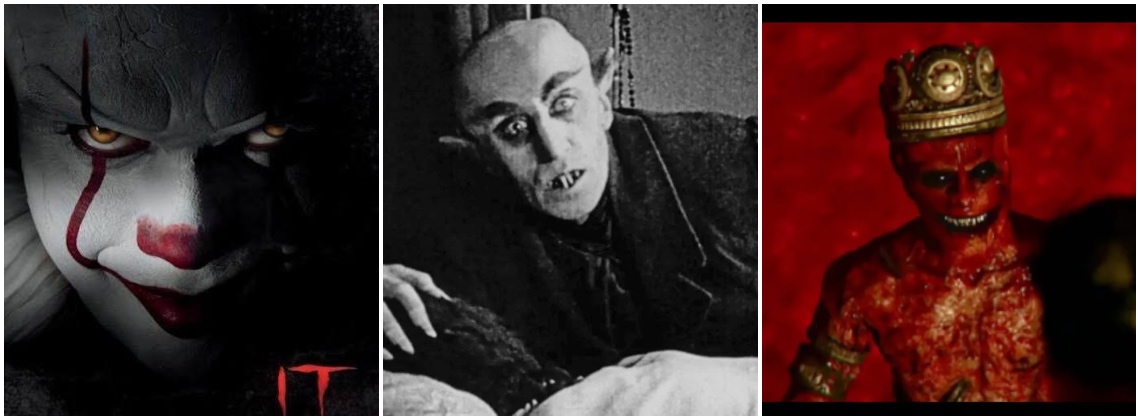
There is a big difference between a movie that gives you a quick, sudden scare and a character that stays with you long after the credits roll. Real horror rarely comes from loud noises or CGI monster pop-ups. It comes from characters that tap into something human: our secret greed, our childhood fears, or the grief we try to bury. Over the years, cinema across the globe has given us a few extraordinary figures that didn't just scare audiences in theatres, but walked right out of the screen and into pop culture history. Here are the iconic horror characters that have left a mark on audiences worldwide.
1. Hastar (Tumbbad)
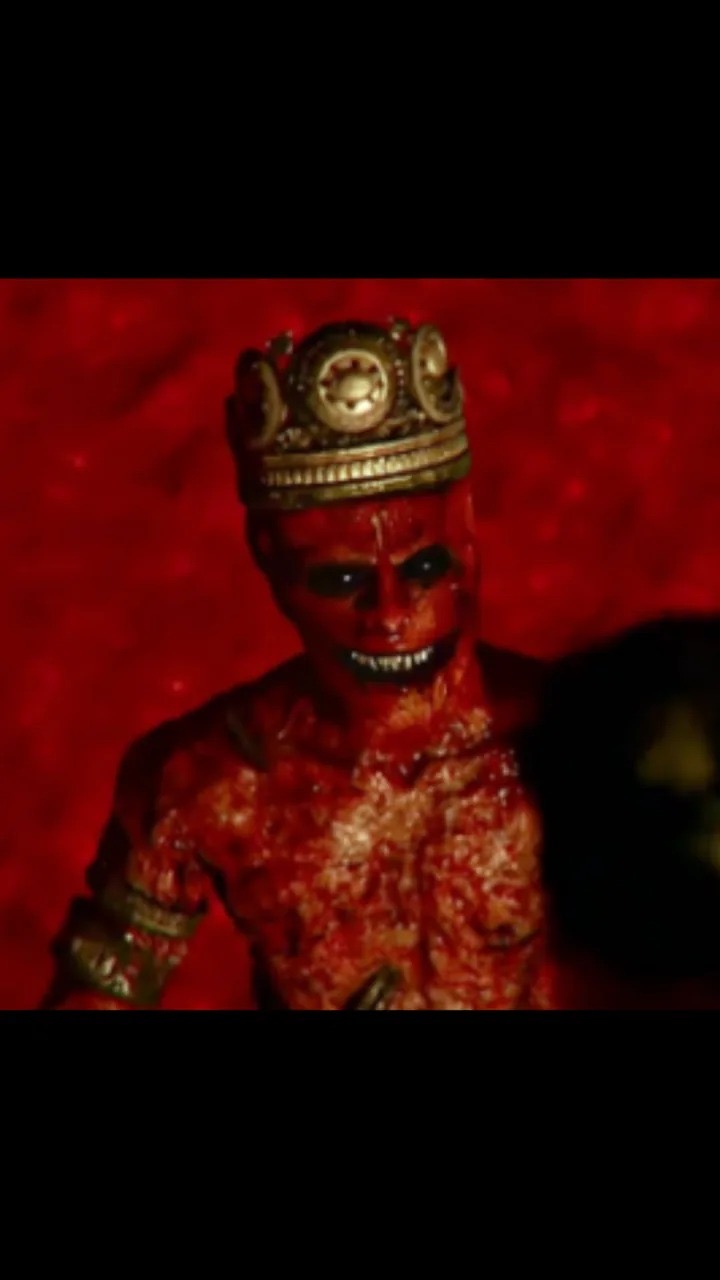
Before Tumbbad was released in 2018, the Indian audience was mostly unaware of world-building based on local mythology. Hastar changed everything. As the firstborn god who was erased from history because of his hunger for gold and grain, Hastar is the literal manifestation of human greed. His warning—“So ja varna Hastar aa jayega” instantly became an iconic phrase. Tumbbad created a character that feels uniquely Indian yet universally appealing.
2. The Babadook (The Babadook)
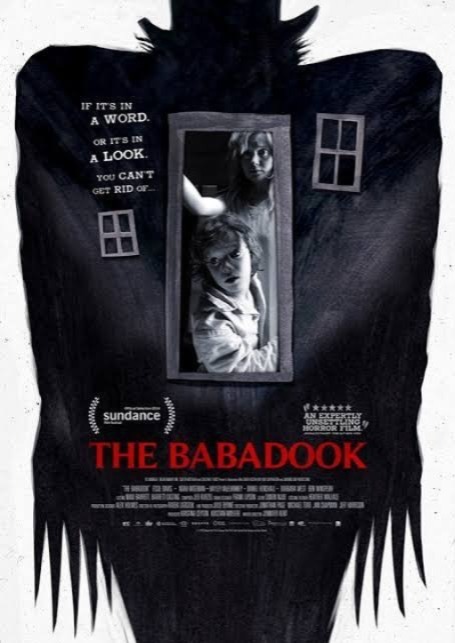
Australian cinema brought us one of the most haunting psychological figures of the 21st century with Mister Babadook. Emerging from an ominous children’s pop-up book, the top-hatted creature with long claws isn't just haunting a house but is also feeding on a mother’s unaddressed grief and trauma after losing her husband. What makes The Babadook unforgettable is that you can’t simply defeat him with weapons or rituals. Much like grief itself, the character forces you to acknowledge his presence. It proved to global audiences that horror works best when it mirrors the pain we carry inside.
3. Pennywise the Dancing Clown (IT)
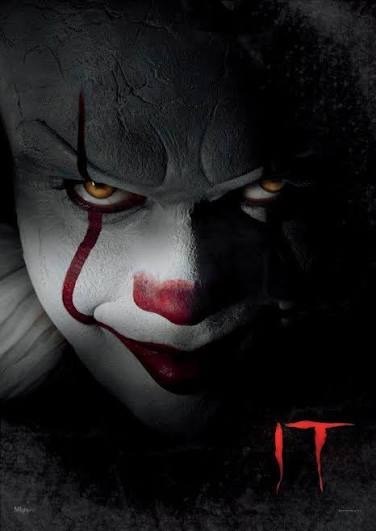
Clowns have always carried a nervous energy, but Stephen King’s creation, brought to life by Bill Skarsgård in modern cinema, turned that discomfort into a global phenomenon. With his menacing smile, bright red balloon, and creepy vibe, Pennywise became a cultural phenomenon because he represents the loss of innocence and the lingering monsters of our childhood.
4. Count Orlok (Nosferatu)
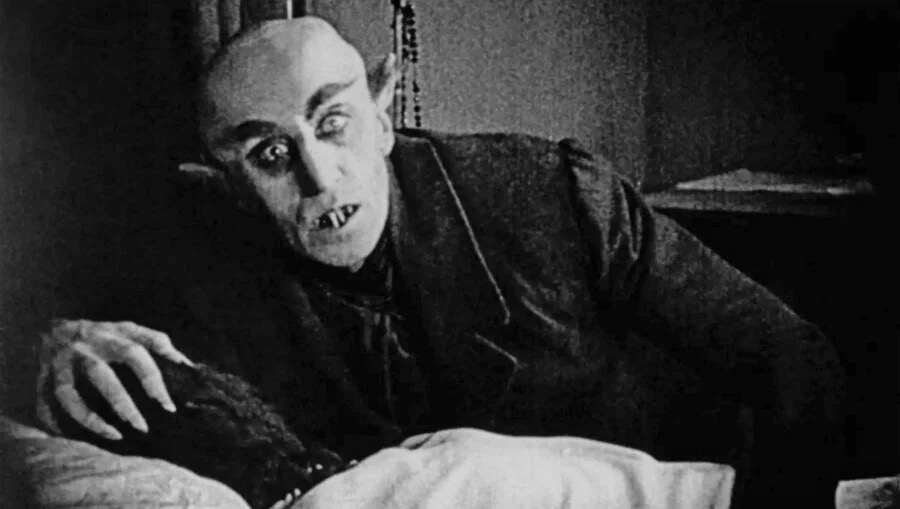
Long before modern vampires became suave or romantic, the silent film era gave us Count Orlok in 1922's Nosferatu. With his bat-like ears, rat-like teeth, and elongated shadows, Orlok was purely animalistic and parasitic. Over a century later, his haunting silhouette creeping up a staircase remains a cornerstone of film history, proving that a truly great horror character design can stand the test of time across generations.